Getting Here

Introduction

Your journey into one of the world’s last great wilderness regions begins before you even arrive. Whether you reach us by air, by road, or by bus, the travel itself is part of the experience — open skies, endless roads, wide valleys, and the quiet sense that you’re stepping into something larger than the everyday.

Below, you’ll find everything you need to plan a smooth arrival into Fort Nelson and the surrounding Northern Rockies Regional Municipality.

On this page

Flying to the Northern Rockies

Fort Nelson is served by the Northern Rockies Regional Airport (YYE).

Airlines & Routes

Airport Information

  • Airport Code: YYE
  • Location: 7 km south of Fort Nelson
  • Facilities: Car rentals, parking, washrooms, free Wi-Fi

Getting Here by Road

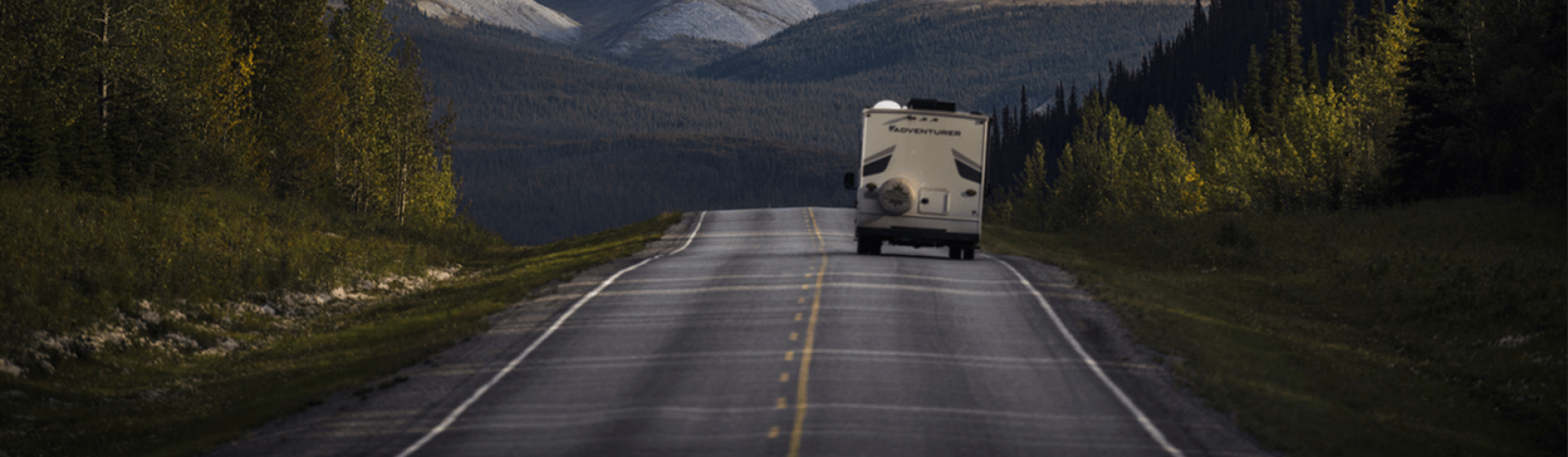
Driving into the Northern Rockies is a classic Great Wilderness experience — long sightlines, wildlife-rich valleys, and the freedom to travel at your own pace.

Heading North (via the Alaska Highway/Highway 97)

Travelling north through BC or across from Alberta offers the beginnings of an immersion into the remote valleys, mountain passes, and dramatic landscapes that define the Great Wilderness.

Approximate driving distances:

  • Fort St John → Fort Nelson: 400km
  • Dawson Creek (Mile 0) → Fort Nelson: 450 km
  • Grande Prairie Alberta → Fort Nelson: 600 km
  • Prince George → Fort Nelson: 800 km
  • Vancouver → Fort Nelson: 1600 km

What to expect:

  • Well-maintained paved highway
  • Wildlife activity could include deer, moose, fox, coyote and more. Keep your eyes out and maintain a safe distance.
  • Cell coverage is intermittent between communities, however, there are a few blue emergency call boxes.
  • Rest stops with outhouse facilities and interpretive signage.

Heading South (via the Alaska Highway/Highway 97)

Travelling south from the Yukon into the Northern Rockies region offers an immersive experience into raw natural beauty and size. Whether it is the size of a lake, mountain or deep valley vista, you are bound to feel small in all the best ways.

Approximate driving distances:

  • Whitehorse→ Fort Nelson: 950 km
  • Watson Lake → Fort Nelson: 500 km
  • Liard Hot Springs → Fort Nelson: 300 km
  • Muncho Lake → Fort Nelson: 240 km
  • Toad River → Fort Nelson: 180 km
  • Fort Liard, NT → Fort Nelson: 210 km

What to expect:

  • The Alaska Highway/Highway 97 is a well-maintained paved highway
  • Highway 77 is well-maintained paved or chip sealed highway to the BC/NT border with sections of gravel road beginning near the border.
  • Wildlife activity could include Wood Bison, Caribou, Elk and more. Keep your eyes out and maintain a safe distance.
  • Cell coverage is extremely limited in this area, however, there are a few blue emergency call boxes.
  • Rest stop with outhouse facilities and interpretive signage approximately 90 km north of Fort Nelson.
  • Local Public Washroom Partnership Program supports many highway businesses to provide washroom facilities at no charge, look for the washroom symbol on signs/doors.

Bus Transportation

BC Bus North provides scheduled intercity bus service between Fort Nelson and Fort St. John, with stops at communities along the Alaska Highway.

Service typically operates once or twice per week, so advance planning is recommended. Tickets must be booked in advance, either online or by phone.

BC Bus North is a convenient option for travellers arriving from elsewhere in Northern British Columbia who prefer not to drive long distances.

Check current routes, schedules, and fares directly with BC Bus North before travelling.

Seasonal Travel Tips

Travelling in The Great Wilderness means preparing for conditions that shift quickly with the seasons.

Winter (Oct–Apr)

  • Expect snow, compact ice, and limited daylight hours
  • Use winter tires
  • Carry emergency supplies such as warm layers and blankets

Spring/Fall

  • Wildlife is highly active near roads
  • Shoulders and remote sections may be soft after thaw

Summer (May–Sept)

  • Peak season for long-distance RV travel
  • Warm temperatures with long daylight hours

Always check: DriveBC and local conditions before travelling.

Helpful Resources

Additional FAQ